
Mastering Progressive Overload: How to Build Strength Safely
Aug 10, 2025
0
Progressive overload is the cornerstone of building strength and muscle. Learn how to apply it safely and effectively to achieve your fitness goals.
Overview
What is Progressive Overload?
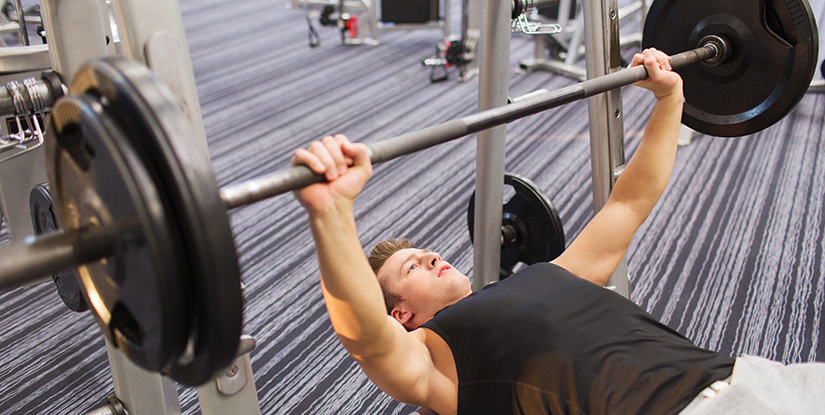
Progressive overload is a training principle that involves gradually increasing the stress placed on your muscles during exercise. This can be achieved by increasing weight, reps, sets, or intensity over time. The goal is to challenge your body to adapt and grow stronger while avoiding plateaus.
Why is Progressive Overload Important?
Without progressive overload, your muscles will adapt to the current level of stress, leading to stagnation in strength and muscle growth. By consistently challenging your body, you can continue to make progress in your fitness journey.
How to Apply Progressive Overload Safely
1. **Increase Weight Gradually**: Add small increments of weight to your lifts (e.g., 2.5-5 lbs) to avoid overloading too quickly. 2. **Focus on Form**: Prioritize proper technique over heavier weights to reduce the risk of injury. 3. **Add Reps or Sets**: If adding weight isn't an option, increase the number of repetitions or sets for a given exercise. 4. **Adjust Intensity**: Incorporate tempo changes, such as slowing down the eccentric phase of a movement, to increase difficulty without adding weight. 5. **Track Your Progress**: Keep a workout log to monitor increases in weight, reps, or sets over time. 6. **Rest and Recover**: Allow adequate recovery between sessions to prevent overtraining and injury.
Common Mistakes to Avoid
1. **Progressing Too Quickly**: Jumping to heavier weights too soon can lead to injury. Take small, consistent steps. 2. **Ignoring Recovery**: Overtraining can stall progress and increase the risk of burnout or injury. 3. **Neglecting Other Factors**: Nutrition, sleep, and stress management play a crucial role in supporting your body's ability to adapt to increased demands.
Sample Progressive Overload Plan
Week 1: Perform 3 sets of 8 reps at 70% of your 1-rep max. Week 2: Increase to 3 sets of 10 reps at the same weight. Week 3: Add 5 lbs and return to 3 sets of 8 reps. Week 4: Increase to 3 sets of 10 reps with the new weight. This gradual approach ensures steady progress while minimizing the risk of injury.